INDUSTRIAL YARDS & LOADING ACCESS
Industrial snow removal that respects how your yard operates.
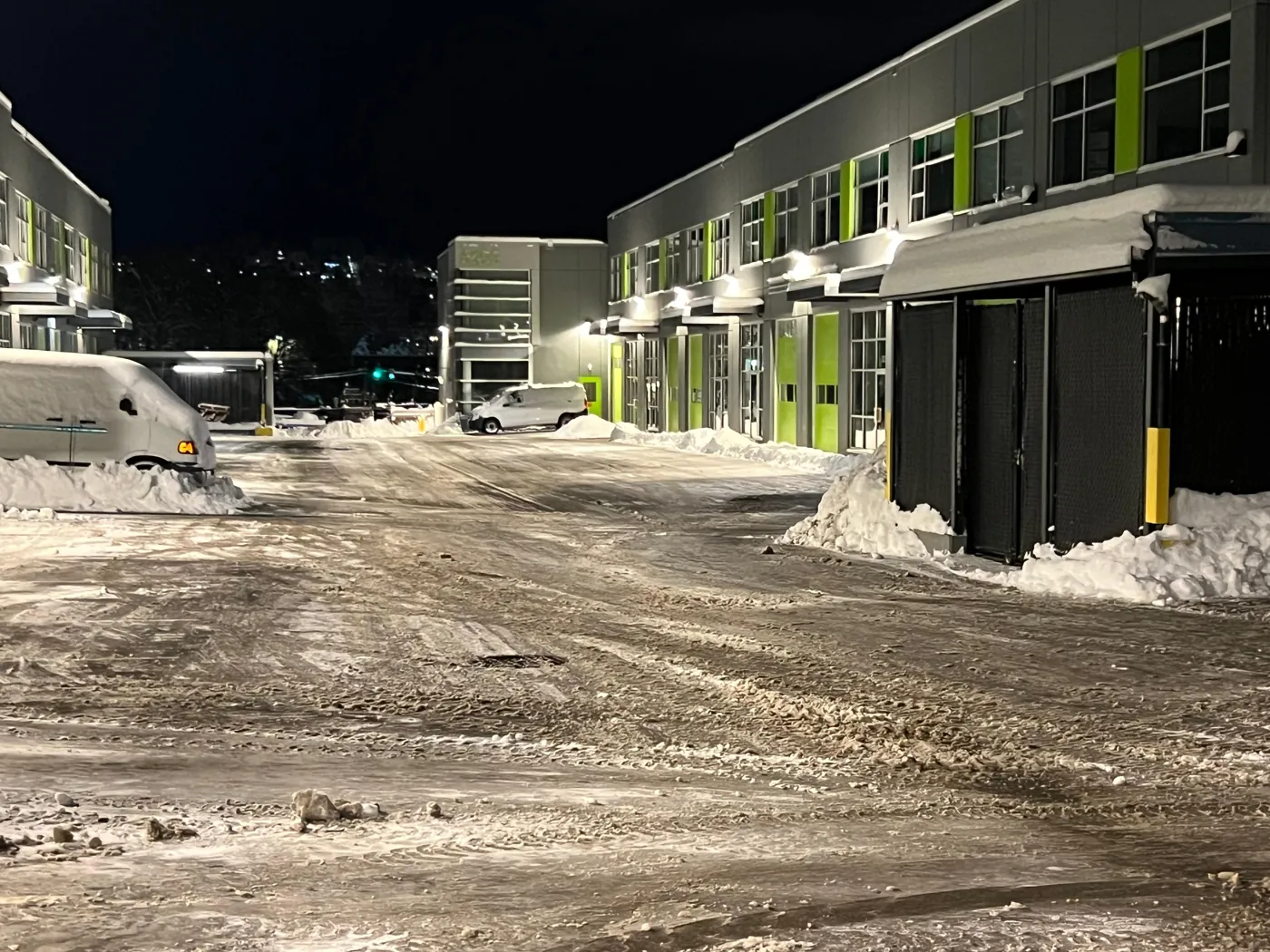
Warehouses, production sites and industrial complexes need more than an open gate. AIM reviews truck movements, loading schedules, employee access and snow-storage space before preparing a winter service proposal.
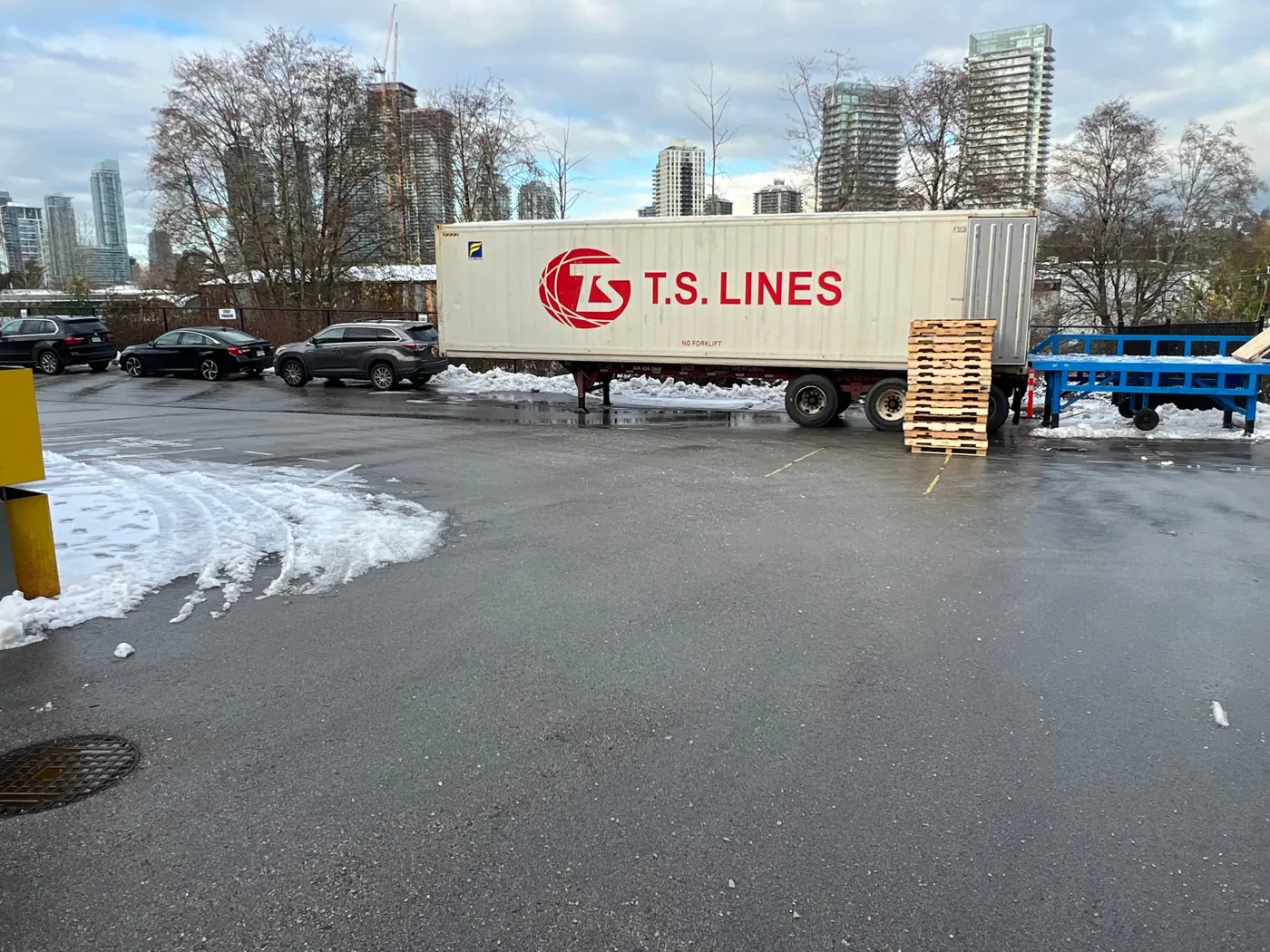
Keep loading and delivery routes in the plan
Loading doors, trailer positions, turning space and gate access affect how equipment can move through an industrial property. Tell us when deliveries begin, which lanes are shared and where parked vehicles or materials may restrict the clearing route.
Separate critical access from the wider yard
A property may have several priorities: the entrance road, active loading bays, employee parking, waste collection and emergency access. Identifying those areas helps define the service scope and the order in which the site should be approached.
Account for shifts and occupied sites
Many industrial sites remain active outside normal office hours. Provide shift changes, gate arrangements and an operations contact during the quote process. A clear communication plan matters when trailers, forklifts or employee vehicles occupy the pavement.
Choose snow-storage areas that preserve movement
Snow placement should avoid loading approaches, visibility at exits, drainage routes and equipment staging areas. Limited storage can change the equipment or follow-up work required, so it should be discussed before the service plan is finalized.
Can AIM assess more than one industrial address?
Yes. Send each address and explain whether the properties share access, management or operating requirements. AIM can review the locations together and confirm route availability and a site-specific scope.
What should an industrial snow-removal request include?
Include the property address, active hours, priority lanes, loading areas, pedestrian routes and known access restrictions. A marked site plan is helpful when several buildings or tenants share the property.